
Start-Up: Navigating The Future of AI Mentorship
The real-world impact of AI-guided mentorship in startups, and why we must balance technology with ethical responsibility.

You’re launching your dream startup—you’ve got the idea, the passion, and the energy—but you’re also drowning in uncertainty. Should you pivot or stick to your vision? How do you pitch investors? What’s your burn rate?
Now, picture this: Instead of finding a human mentor, you get an AI coach—one that crunches numbers, analyzes risks, and spits out advice based on historical success stories. Sounds futuristic, right? Well, Start-Up, a 2020 K-drama set in South Korea’s version of Silicon Valley, explores exactly this.
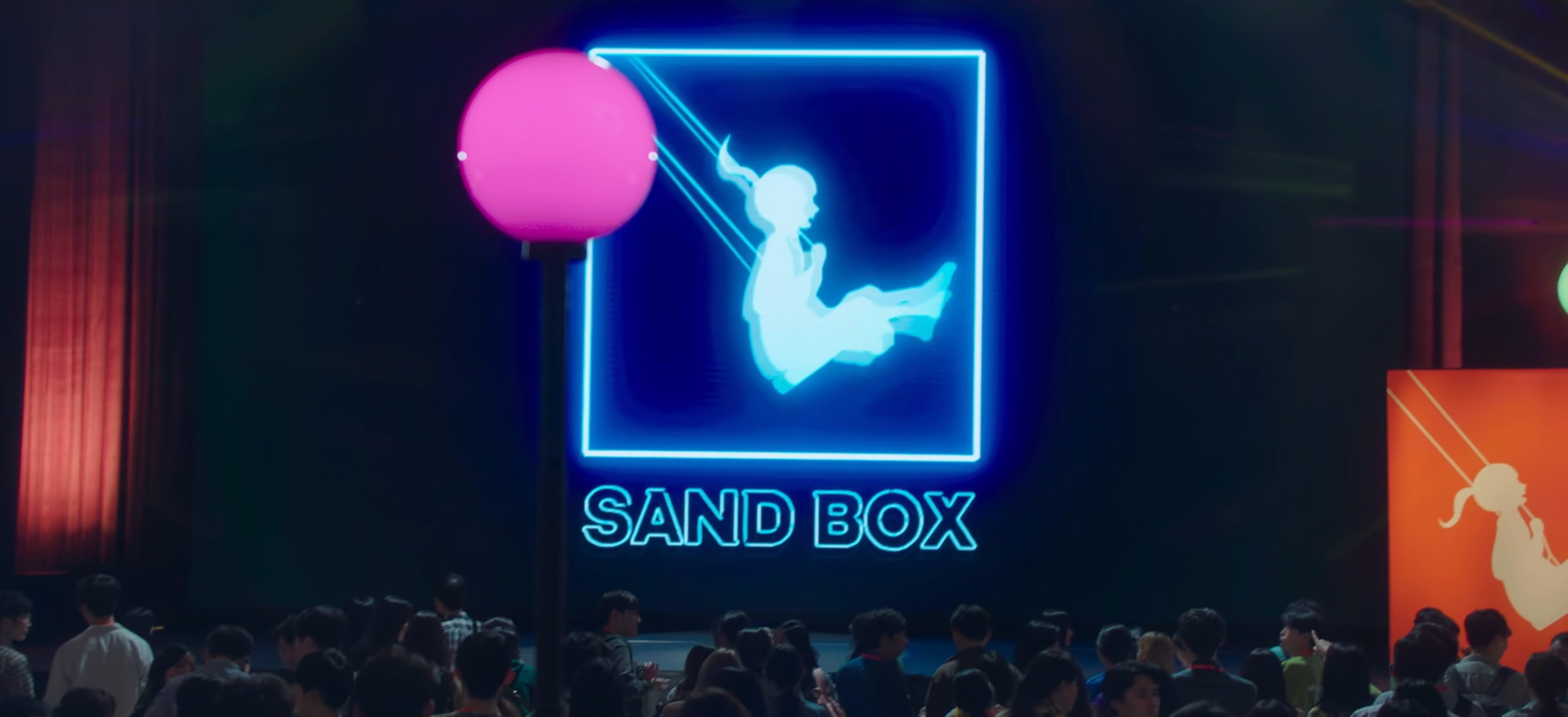
The show follows Seo Dal-mi, a young woman with big entrepreneurial dreams, as she navigates the world of startups. She joins Sand Box, a prestigious incubator designed to help early-stage companies succeed. However, there’s an intriguing twist: while Sand Box does not yet offer a fully developed AI mentorship platform for all its entrepreneurs, it does feature an AI tool named Jang Young-sil that currently functions as a personal assistant for Han Ji-pyeong (played by Kim Seon-ho ❤️), a seasoned venture capitalist. Jang Young-sil provides him with business insights and data-driven guidance to support his decision-making.
For the purpose of our discussion, let’s make an assumption: what if Jang Young-sil evolves into something more than just a personal assistant? Imagine if it were to transform into an AI-powered mentor available to all entrepreneurs at Sand Box. In this hypothetical scenario, Jang Young-sil could function like Siri or ChatGPT—but specifically for startups—offering real-time, tailored advice to help founders navigate the challenges of entrepreneurship, using data, market insights, and strategic recommendations. In contrast, Han Ji-pyeong serves as a traditional mentor—offering strategic advice, brutal honesty, and a healthy dose of tough love.
But here’s the big question: Can an AI mentor ever truly replace a human one? Can it understand ambition, fear, and those messy, emotional moments that define entrepreneurship? Or is the future of mentorship something more hybrid—a blend of AI’s efficiency and human intuition?
In this article, we’ll explore:
What mentorship really means in a startup incubator
The advantages and limitations of AI-driven mentorship
Why humans like Han Ji-pyeong still matter in a world of data-driven advice
Real-world startup incubators and whether they might adopt AI mentors
Whether you’re a Start-Up fan or just curious about the future of mentorship, let’s dive into the debate.
The Role of Start Up Mentors
Think about the most successful entrepreneurs you know. Behind every big name, there’s usually an influential mentor who helped shape their journey.
Take Bill Campbell, for example. Known as the "Trillion Dollar Coach," Campbell mentored some of the biggest names in Silicon Valley, including Steve Jobs, Larry Page, Sergey Brin, and Jeff Bezos. He wasn’t an investor, nor was he a technical expert. Instead, he was a trusted advisor who helped CEOs navigate leadership, decision-making, and company culture. His influence helped shape companies that today are worth well over a trillion dollars combined.
This pattern isn’t unique to Silicon Valley. Many of the most successful startups have been shaped by mentorship, whether through one-on-one coaching, venture capital networks, or startup incubators.
Let’s say the founders in the Sand Box program have access to:
Jang Young-sil, the AI mentor, which provides instant, data-backed guidance on business strategies, risk assessments, and decision-making frameworks.
Han Ji-pyeong, a human mentor, who offers hard-earned experience, brutal honesty, and real-world insights that no algorithm can fully replicate.
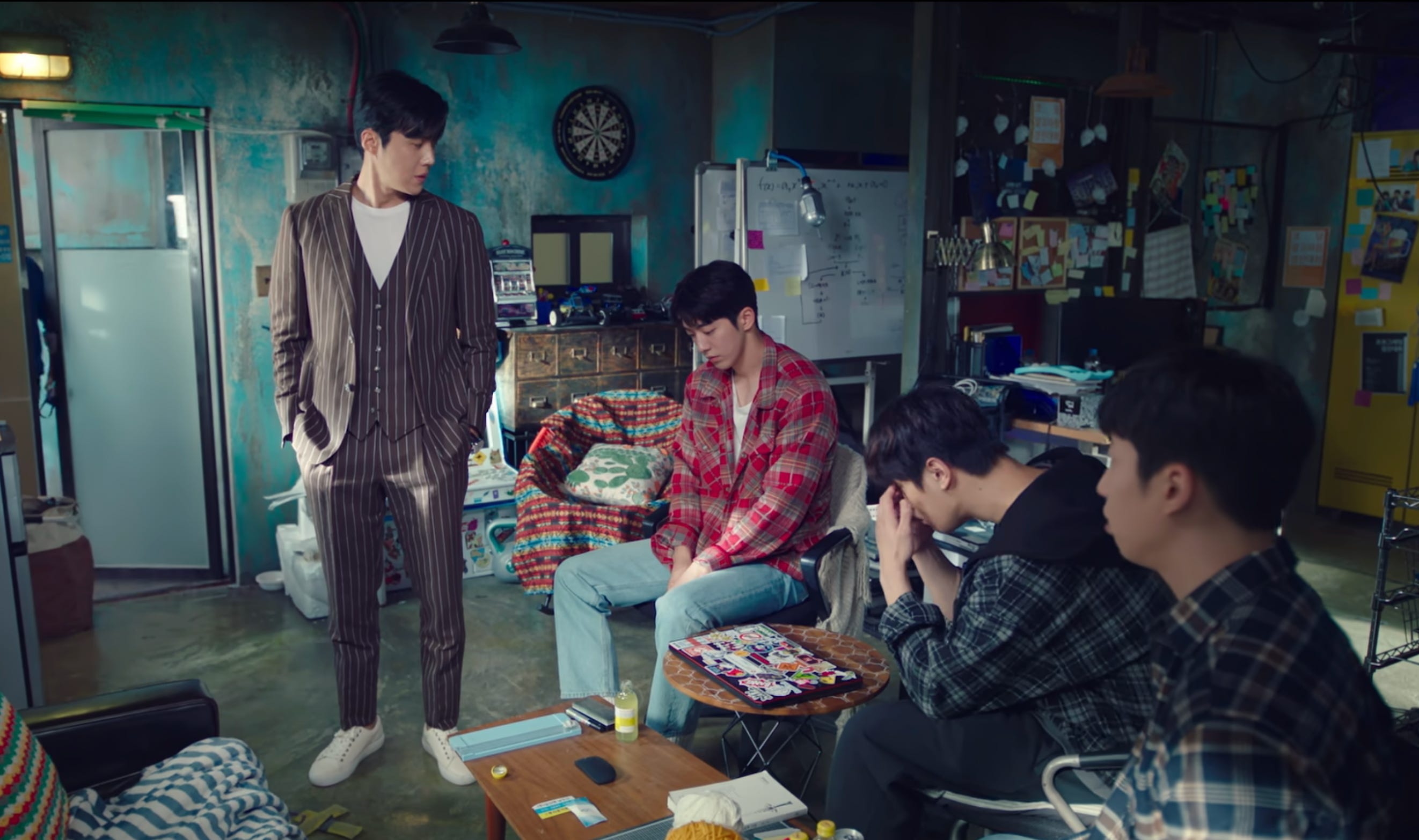
On paper, AI mentorship sounds ideal. It removes bias, processes vast amounts of data instantly, and can offer founders insights based on patterns from thousands of past startups. But does that mean AI can truly replace human mentors like Bill Campbell, who understood the emotional and psychological challenges of running a company?
Before we answer that, let’s take a closer look at how startup incubators function in the real world and whether AI-powered mentorship could realistically replace human intuition in entrepreneurship.
AI vs. Human Mentors: Who Gives Better Advice?
At first glance, an AI mentor like Jang Young-sil seems like the perfect solution for startup founders. AI can analyze massive amounts of data, identify success patterns, and provide recommendations instantly. It doesn’t get tired, emotional, or biased. It doesn’t need sleep or a coffee break.
But can AI actually replace human mentors like Bill Campbell or Y Combinator’s Paul Graham—people whose mentorship has shaped some of the biggest companies in the world?
Let’s break it down.
What AI Mentors Do Well
AI-driven mentorship is already being explored in the real world. Platforms like GrowthBot and Clara use AI to provide startup founders with instant insights, competitor analysis, and fundraising strategies. AI-powered chatbots are being integrated into startup incubators to give founders real-time feedback on their pitches, business models, and market strategies.
Here’s where AI excels:
Data-Driven Decision Making: AI can analyze thousands of startup case studies and tell you which business models are most likely to succeed.
Instant Feedback: AI can process financial projections, customer behavior trends, and market shifts in seconds.
Unbiased Guidance: Unlike human mentors, AI doesn’t let personal experiences, opinions, or emotions cloud its advice.
This kind of guidance is especially useful for first-time founders who need structure and best practices. But AI has its limitations—especially when it comes to something startups need the most: emotional intelligence and strategic intuition.
What Human Mentors Do Better
Let’s look at Paul Graham, the co-founder of Y Combinator, one of the world’s most successful startup incubators. Graham’s mentorship has helped launch companies like Airbnb, Dropbox, and Reddit. His approach isn’t just about business models—it’s about understanding founders as people.
When Brian Chesky and Joe Gebbia pitched Airbnb, the idea sounded ridiculous: renting out air mattresses in people’s homes. Any AI mentor looking at market data would have likely dismissed it as a terrible idea. But Graham saw their determination and creativity. Instead of shutting them down, he encouraged them to hustle, experiment, and refine their idea.
This is what human mentors excel at:
Pattern Recognition Beyond Data: Humans recognize potential in people, not just in business models. Airbnb didn’t succeed because the initial concept was perfect—it succeeded because the founders were adaptable and resilient.
Emotional Support and Tough Love: Startups are brutal. Founders face burnout, self-doubt, and rejection. A good mentor knows when to offer encouragement and when to push harder. AI can’t replicate that level of personal insight.
Creative Problem-Solving: Sometimes, great startup ideas don’t fit into neat, data-driven models. Netflix pivoted from DVD rentals to streaming. Slack started as a gaming company. These shifts weren’t obvious at the time—visionary mentors helped founders navigate them.
AI can process data, but it can’t recognize human potential the way an experienced mentor can. It doesn’t understand fear, passion, or the moment a founder is about to give up and just needs someone to believe in them.
Can AI and Human Mentors Work Together?
Instead of replacing human mentors, AI could serve as a powerful tool to enhance mentorship.
We’re already seeing hybrid models emerge. Google’s Launchpad Accelerator combines AI-driven insights with human-led coaching sessions. Founder Institute uses AI to match entrepreneurs with ideal mentors based on their needs and startup stage. Even Y Combinator is exploring AI tools to help founders refine their pitches before speaking with investors.
This hybrid approach could be the future:
AI mentors provide instant, scalable, data-driven advice.
Human mentors provide nuanced, experience-based guidance that AI can’t replicate.
In Start-Up, Han Ji-pyeong and Jang Young-sil represent this exact contrast. One offers emotional intelligence and strategic instinct, the other offers speed and precision. The best mentorship model might not be choosing one over the other—but learning how to combine both.
What Happens When Startups Get the Wrong Mentorship?
Every founder dreams of getting the perfect mentor—someone who will open doors, provide game-changing advice, and steer them toward success. But what happens when startups get the wrong guidance?
Bad mentorship can kill startups just as quickly as a flawed business model. In some cases, it leads to founders making short-sighted decisions, focusing on the wrong priorities, or even scaling too fast before they’re ready. Let’s break this down with some real-world cases.
When the Wrong Mentorship Led to Startup Disasters
Quibi – The $1.75 Billion Disaster
Quibi was meant to revolutionize mobile streaming—short-form, high-production content designed for people on the go. With nearly $2 billion in funding, an A-list lineup, and a founder with a track record of success (Jeffrey Katzenberg, former Disney chairman), it seemed unstoppable.
But Quibi’s leadership ignored key feedback from potential users and mentors in the tech industry. They refused to launch a free version or let users take screenshots (essential for viral marketing). Mentors in Silicon Valley reportedly warned that mobile video consumption habits didn’t match Quibi’s vision, but Katzenberg and CEO Meg Whitman insisted they knew better.
Result? Quibi shut down in six months. No amount of funding or industry connections could save it from flawed decision-making.
Theranos – A Case of Overconfidence Without Oversight
Elizabeth Holmes, the founder of Theranos, had an all-star board, including former U.S. Secretaries of State Henry Kissinger and George Shultz. But instead of experienced startup mentors, her board consisted of powerful political figures with little knowledge of biotech.
Mentors like Bill Campbell or Paul Graham could have questioned her technology early on, forcing accountability before things spiraled into one of the biggest fraud cases in startup history. Instead, she received encouragement with no technical scrutiny, leading to a $9 billion valuation built on false promises—and eventual collapse.
WeWork – The Perils of Overhyping a Startup
WeWork’s Adam Neumann was backed by SoftBank’s Masayoshi Son, a billionaire investor known for making bold bets on founders. Son encouraged Neumann to think even bigger—but without grounding that vision in sustainable business practices.
Instead of focusing on profitability, WeWork expanded recklessly, burning billions of dollars on unnecessary perks, lavish offices, and failed side projects. When it finally attempted an IPO, investors balked at its financials.
Had Neumann received mentorship from someone like Warren Buffett or a seasoned startup leader, he might have been pushed toward a sustainable business model rather than aggressive expansion at any cost.
How the Right Mentorship Rescued Startups from Failure
Bad mentorship can sink a startup, but the right mentor at the right time can also turn struggling companies into industry leaders.
Airbnb – When Paul Graham Told Founders to “Hustle”
Airbnb’s original concept—renting out air mattresses—was dismissed by nearly every investor they approached. They were running out of money, and most startup mentors would have advised them to pivot.
But Y Combinator’s Paul Graham saw something in the founders. Instead of telling them to give up, he advised them to go door-to-door, personally meet hosts, and convince them to list properties. This hustle-first approach built Airbnb’s foundation, proving that there was demand before scaling.
Facebook – When Peter Thiel Focused on Profitability
When Facebook was still a young startup, Peter Thiel became one of its earliest investors and mentors. He didn’t just provide funding—he also shaped Facebook’s business strategy.
One of his biggest pieces of advice? Focus on revenue early.
Thiel pushed Facebook to think beyond user growth and start generating cash flow. Today, many startups chase users first and figure out monetization later, but Facebook’s early focus on revenue streams helped it scale into one of the most profitable companies in history.
Stripe – The Value of Long-Term Thinking
Stripe, the online payments giant, received early mentorship from Patrick Collison (co-founder) and leaders in the fintech industry. Unlike many startups that rushed into expansion, Stripe took a slow, calculated approach.
Instead of spending millions on marketing, it focused on developer-friendly products, steady partnerships, and long-term stability. This approach helped Stripe become one of the most valuable private startups in the world without burning through cash recklessly.
What Can Founders Learn From These Examples?
Listen to the right mentors. Just because someone is powerful or successful doesn’t mean their advice is right for your startup. But hey, what do I know. -
Mentorship should challenge founders, not just encourage them. A good mentor doesn’t just say “Yes” to everything—a great one forces hard decisions.
AI can help with data, but human mentors understand the bigger picture. Many of the best startup success stories happened because mentors saw potential beyond data-driven predictions.
In Start-Up, Dal-mi, Do-san, and Ji-pyeong all face critical moments where the right advice (or lack of it) could make or break their company. Just like in the real world, choosing the right mentor can mean the difference between a billion-dollar success story—or a cautionary tale.
Can an AI Mentor Actually Work in the Real World?
AI Mentorship is Already Happening—Sort Of
While we don’t have a perfect AI mentor yet, AI-powered business advisory tools are already being used in the real world.
Some of the closest real-world equivalents include:
ChatGPT for Startups: Many founders already use AI chatbots to generate business ideas, refine pitches, and analyze trends.
Google’s Launchpad AI: Google’s startup accelerator uses AI to provide personalized advice to early-stage companies, analyzing market fit and growth potential.
Crunchbase & CB Insights: These platforms use AI to analyze startup success patterns, predicting which companies are most likely to succeed based on funding rounds, industry trends, and founder backgrounds.
BizGPT & GrowthBot: AI tools designed to give real-time business strategy recommendations based on market data.
These tools show that AI mentorship isn’t just a fantasy—it’s already happening. But can it replace human mentors entirely?
Where AI Falls Short: The Human Element
Despite AI’s ability to process vast amounts of data, there are key aspects of mentorship that AI still struggles with:
Understanding founder potential beyond data: AI might have told Airbnb’s founders that their idea had no chance—after all, the initial numbers were terrible. But Paul Graham saw something deeper in the team’s resilience and creativity. No AI, no matter how advanced, can fully predict human potential the way an experienced mentor can.
Navigating emotionally complex situations: Startups aren’t just about spreadsheets and projections—they’re about handling rejection, internal conflicts, and burnout. A founder struggling with imposter syndrome doesn’t just need data-driven advice; they need someone who has been through it before and can offer empathy and personal insight.
Providing “Gut-Feeling” advice: Many legendary startup mentors rely on instinct. Steve Jobs famously ignored market research when developing the iPhone, trusting his own vision instead. AI can analyze past trends, but it struggles with bold, counterintuitive thinking that often leads to breakthroughs.
The Future: AI + Human Hybrid Mentorship
Instead of AI replacing human mentors, the real future of mentorship might be a hybrid model:
AI provides instant, data-driven insights, saving time for human mentors.
Human mentors focus on emotional intelligence, strategic thinking, and creative problem-solving.
Startups get the best of both worlds—speed and precision from AI, wisdom and intuition from humans.
Some accelerators, like Google for Startups, are already testing this model, combining AI-driven recommendations with hands-on coaching from seasoned mentors.
So, could Jang Young-sil exist in real life? Maybe one day. But for now, founders still need human guidance to navigate the messy, unpredictable journey of building a startup.
AI and Human Mentorship: The Future of Startup Incubation
In the world of startups, the idea of combining AI and human mentorship is increasingly being embraced by startup accelerators and incubators. These programs play a key role in shaping the early trajectory of a company, providing funding, resources, and expert guidance to help founders scale their businesses. The blending of cutting-edge AI technology and experienced human mentors could change how these incubators operate, creating an even more effective and personalized startup ecosystem.
The Rise of Hybrid Incubators
The future of mentorship is hybrid—a mix of AI and human input to create a comprehensive system that maximizes a founder’s chances of success. Some well-known accelerators and incubators are already testing this hybrid model, integrating AI insights alongside traditional, human-led mentorship. Let’s look at a few real-world examples:
Y Combinator: Data + Mentorship
Y Combinator (YC) has long been known for its hands-on mentorship, with founders like Paul Graham and Jessica Livingston providing invaluable guidance. But YC has also been experimenting with data-driven tools that help founders connect with the right mentors and tailor their strategies. YC uses internal data to track startup progress and predict outcomes, giving founders access to actionable insights and helping them refine their pitches.
In some ways, YC is a forerunner of hybrid mentorship. They blend traditional mentoring with advanced tools that optimize the advice and the direction given to each startup. The personalized advice, paired with data-driven recommendations, ensures that founders aren’t just relying on one or the other—they get both.
Google for Startups Accelerator: AI and Human Coaching
Google has rolled out an innovative program through its Google for Startups Accelerator, which uses AI to match startups with the right mentors. This AI tool considers a startups' business model, market position, and challenges to find mentors with the right experience to guide them. This makes the mentor matching process faster and more precise, but human mentors are still at the core.
This hybrid model means that AI handles the heavy lifting of data analysis, while humans can focus on high-level strategy, emotional support, and creating a sense of community. Google’s approach is redefining what mentorship can look like in an incubator setting, offering a streamlined yet deeply personalized experience for each founder.
Techstars: Scaling With AI Insights
Techstars, another major accelerator, has also started integrating AI-powered business insights into its program. The program leverages data analytics to guide founders on growth strategies, including scaling and finding new market opportunities. But mentors—who are often former founders and industry experts—continue to lead the charge when it comes to helping founders build relationships, manage team dynamics, and make strategic decisions.
Techstars uses a blend of AI-driven insights to highlight potential opportunities for a startup, but the real value comes from the mentorship that helps founders navigate the complex challenges of scaling and growing.
Why Hybrid Mentorship is the Future
We’re at a pivotal moment in the evolution of startup incubation. Here’s why hybrid mentorship is a game changer:
Personalized Guidance at Scale
One of the key advantages of AI in mentorship is its ability to scale. In traditional accelerators, mentors can only work with a limited number of startups at a time. However, AI can serve as a first layer of feedback for hundreds or even thousands of startups simultaneously. AI tools can analyze business models, market data, and customer feedback, then provide tailored suggestions for improving a startup’s operations.
This scalable mentorship model ensures that every startup receives personalized attention, even if there’s not enough time or human resources to give each one in-depth support.
Faster, Data-Driven Decisions
Human mentors are incredibly valuable, but sometimes decisions need to be made quickly—especially in the fast-moving world of tech startups. AI can process massive amounts of data in real-time, offering quick, actionable insights that help founders make informed decisions without waiting for lengthy meetings or consultations.
For example, if a founder is deciding whether to pivot, AI could analyze market trends and consumer behavior, then provide real-time recommendations based on similar companies that have succeeded or failed under similar circumstances. This ability to make decisions at lightning speed can be a huge advantage for startups trying to gain traction quickly.
Increased Accessibility and Democratization
Traditionally, access to high-quality mentorship has been reserved for founders with the right connections—those who are lucky enough to get a mentor like Bill Campbell or Peter Thiel. But with AI-driven mentorship, this barrier starts to break down.
AI-powered platforms can democratize access to high-quality advice by making it available to anyone, regardless of location or industry connections. Founders in underrepresented regions or sectors can now access the same level of strategic insights as those in Silicon Valley, leveling the playing field.
This accessibility is one of the most exciting aspects of hybrid mentorship—it can reach a global network of entrepreneurs, enabling them to thrive in competitive environments, no matter where they’re located.
In the world of startups, AI and human mentorship can coexist. They can amplify each other, creating a mentorship ecosystem that is faster, smarter, and more inclusive.
Ethical Implications of AI Mentorship in Startups
While AI-powered mentorship tools have the potential to revolutionize how startups operate, they also come with significant ethical considerations. As AI begins to play a larger role in decision-making, particularly in startups, we must ask ourselves: Can we trust AI to make decisions that will guide a business to success?
An AI mentor is an algorithm designed to make data-backed recommendations. But with this power comes the responsibility to consider the ethical implications of relying on AI to make critical business decisions. Let’s explore the main ethical challenges that arise when AI begins to mentor entrepreneurs.
Bias in AI Systems: Can Algorithms Be Truly Neutral?
AI systems are often thought of as neutral, but the reality is much more complicated. The data that AI systems learn from can contain biases, especially if those data sets are derived from historical business patterns or existing social trends. If AI systems are trained on biased data, they can perpetuate discriminatory practices that disadvantage certain groups of people.
Example:
One of the most famous examples of bias in AI systems occurred with the Amazon recruitment tool in 2018. Amazon created an AI tool to help its recruitment process by analyzing resumes. However, the AI was biased against female candidates because it was trained on resumes from mostly male candidates. This meant that the algorithm favored resumes that reflected male-dominated patterns in the tech industry, and women were inadvertently penalized by the system.
In the case of mentorship, if an AI like Jang Young-sil is trained on historical startup data that may favor certain industries, demographics, or geographical locations, it could unintentionally give preference to certain types of entrepreneurs over others, skewing advice in ways that reinforce existing inequalities. This highlights the importance of ensuring AI is trained on diverse, representative data to avoid reinforcing biases.
Over-reliance on AI: Where’s the Human Judgment?
While AI can provide valuable insights, there’s a significant risk of over-reliance on these systems. Entrepreneurs may be tempted to follow the AI’s advice blindly, ignoring their own judgment and intuition. This could be particularly harmful in a startup environment, where unpredictability and creativity often play a role in a company’s success.
Example:
In 2018, Theranos, the now-defunct health tech company, raised over $9 billion by convincing investors that their blood-testing technology could revolutionize healthcare. The company’s founders relied heavily on data and AI-driven projections that made their technology appear more promising than it actually was. However, the lack of human scrutiny over the company's claims led to disastrous consequences.
Just as in the case of Theranos, blind trust in AI guidance can lead to faulty decision-making, especially if founders are not sufficiently questioning or vetting the data or predictions being provided by the system. It is critical for entrepreneurs to remember that AI should complement, not replace, human judgment. AI may offer valuable data-driven insights, but ultimately, it is up to the founders to interpret and act on those insights.
Transparency and Accountability: Who Is Responsible for AI's Decisions?
As AI becomes more involved in business decision-making, we must also consider the question of accountability. If an AI mentor like Jang Young-sil recommends a high-risk decision that fails, who is responsible for the outcome? The AI? The startup founders? The developers who designed the AI? This lack of accountability becomes especially critical when the stakes are high—like in a startup, where an AI-driven mistake could cost investors, employees, and customers.
Example:
The rise of autonomous vehicles has brought similar ethical concerns to light. In 2018, a self-driving car operated by Uber struck and killed a pedestrian. The AI system driving the car failed to make the appropriate decision, and Uber was forced to take responsibility. However, questions about who should be held accountable for such accidents—the developers of the AI, the company that owns the car, or the AI system itself—remain unanswered.
This issue is just as pertinent in the world of AI mentorship for startups. Who is responsible if a startup following AI-generated advice faces failure or ethical dilemmas? Should the AI creators be held accountable? The startup founders? Or is the AI system merely an assistant with no accountability?
Ethical Frameworks for AI: Ensuring Responsible Development
To address these ethical concerns, it is crucial to create a strong framework that governs the development and deployment of AI systems. These frameworks should ensure that AI systems are transparent, accountable, and built with ethical guidelines in mind.
For instance, some tech giants like Microsoft and Google are already working o
n developing guidelines for responsible AI use. These guidelines focus on ensuring that AI systems are fair, transparent, and non-discriminatory, with built-in measures to address biases and ensure accountability. Startups developing AI mentorship tools should follow similar ethical principles to prevent harm and ensure their AI systems support sustainable and ethical business practices.
The Human Touch: Why Ethical AI Needs Human Oversight
Ultimately, AI mentorship should not replace human values and decision-making, but rather supplement them. AI systems are tools that can help businesses make data-driven decisions, but it’s the human mentors who are able to inject the nuance, context, and ethical considerations that an AI can’t.
Example:
In the world of AI-driven startups, founders like Reid Hoffman (LinkedIn) have emphasized the importance of combining AI tools with human guidance to create a balanced and ethical approach to decision-making. By having strong ethical oversight, these entrepreneurs ensure that their AI systems support good decision-making and align with long-term ethical goals.
This is where we see the importance of hybrid models—AI systems that are augmented by human ethics, ensuring that businesses thrive without sacrificing their moral compass.
Looking Ahead
As we think about the future of AI mentorship in startups, it’s hard not to feel a bit excited. The potential here is huge—AI has the power to transform how we scale businesses, offering us faster insights, smarter decision-making, and opening up mentorship to everyone, no matter where they are. But, like any new technology, it’s important we don’t rush in without thinking about the ethics behind it.
From the moment we start trusting AI to guide business decisions, we need to ensure it’s being used responsibly. After all, the beauty of entrepreneurship isn’t just about making the right business move—it’s about doing so in a way that’s fair, transparent, and true to the values we want to uphold as we grow.
Personally, I think the future of mentorship in startups could be incredibly powerful if we get this balance right. AI should complement human judgment, not replace it. Sure, AI can help us make data-driven decisions, but it’s still up to us—the entrepreneurs, the mentors, the creators—to bring in the human touch, the intuition, and the ethical framework that’s been key to every successful business.
So, as AI starts to take on bigger roles in mentorship, it’s up to us to make sure we’re asking the right questions: Are we using AI responsibly? Are we keeping the human element intact? Because at the end of the day, it’s the people—our values, our creativity, and our judgment—that will truly drive the next wave of innovation.

I’m excited to see where this blend of AI and human mentorship takes us. It might just be the key to unlocking the next generation of groundbreaking startups. And I believe that if we approach it thoughtfully, it will be a game-changer. What do you think?